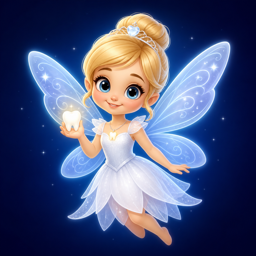
Is the Tooth Fairy Real? What to Tell Your Child
The truth behind the tradition — and how to keep the magic alive
Every parent faces this moment sooner or later: your child looks up at you and asks, is the tooth fairy real? How you answer will shape whether the magic continues or ends tonight. It’s one of those parenting moments you can’t really prepare for. Whether they’re losing their very first baby tooth or their tenth, that question means something — they’re deciding whether to keep believing.
The short answer most parents give? She is as real as you make her. And for millions of children around the world, she’s very real indeed — visiting in the night, collecting the lost tooth from under the pillow, and leaving a coin or small gift behind. Some children even find a handwritten letter from the fairy the next morning.
But you’re here because you want to know what to actually say when your child asks. So let’s talk through it — the history behind the tradition, why children believe, and how to keep the magic alive for as long as they want it to be.
Where Did the Tooth Fairy Come From?
The tooth fairy tradition is surprisingly old. Parents have been marking lost teeth with rituals for hundreds of years — long before she appeared in children’s books and bedtime stories as we know her today.
900s
Viking-age parents paid children a small coin when they lost their first tooth. Baby teeth were considered good luck and warriors wore them as talismans in battle.
1600s
In France and Spain, children left lost teeth under pillows for a magical mouse who exchanged them for coins. The tradition spread across Europe and parts of Latin America — some countries still have the tooth mouse instead of a fairy.
1908
The earliest known reference to the “tooth fairy” in print appeared in the Chicago Daily Tribune in 1908. You can read the full history of the tooth fairy on Wikipedia. By the 1950s, the tradition had become a childhood staple across the English-speaking world.
Today the tooth fairy visits children in dozens of countries. Parents leave coins, write letters, sprinkle glitter “fairy dust,” and — increasingly — use apps to create magical photo and video proof of the fairy’s visit.
This isn’t just a cute story. It’s a tradition that helps children process a genuinely strange experience — losing baby teeth. A tooth falls out, there’s blood, a gap in their smile, and it’s a bit scary. The fairy turns that moment into something magical and exciting. That’s why the tradition has survived for centuries.
Why Do Children Believe the Tooth Fairy Is Real?
Children don’t believe because they’re gullible. They believe because belief itself feels wonderful — and because the adults around them play along with care and creativity.
Child psychologists point out that magical thinking is a normal and healthy part of childhood development. Between the ages of 3 and 8, children are working out the boundary between real and imaginary. The fairy, Father Christmas, and the Easter Bunny all sit in this space — they’re safe ways for children to explore belief, trust, and wonder.
When Children Start to Question Whether She’s Real
Most children begin to doubt between ages 6 and 9. They notice things: the handwriting on the note looks a lot like Mum’s. The coin appeared after Dad went to the bathroom at midnight. A friend at school said she isn’t real.
This is completely normal. In fact, developmental psychologists say the moment a child starts questioning magical figures is a sign of healthy critical thinking. They’re learning to evaluate evidence — which is exactly the skill you want them to develop.
What to Say When Your Child Asks “Is the Tooth Fairy Real?”
There’s no single right answer. How you respond depends on your child’s age, how directly they’re asking, and whether they seem excited or upset. Here are the approaches most parents take:
Whatever you say, avoid making your child feel silly for having believed. That belief is a beautiful part of childhood — and the day it ends deserves to be handled with as much care as the day it began.
How to Keep the Tooth Fairy Magic Alive
Whether your child is losing their first tooth or their fifteenth, the more real you make the visit feel, the longer the magic lasts. Here are the things parents do that children remember for years:
Leave a personalised letter
A tooth fairy letter with your child’s name, the specific tooth they lost, and a detail about their day turns a coin under a pillow into a genuine magical event. Our free tooth fairy letter generator creates a unique, personalised tooth fairy note every time — no two are the same.
Sprinkle fairy dust
A trail of glitter from the window to the pillow is the oldest trick in the book — and it still works. Children love finding proof that a fairy was actually in their room. Biodegradable glitter saves your carpet.
Create video proof
This is the one that really changes the game. Imagine your child waking up and watching magical video footage of the Tooth Fairy flying through their bedroom. With Tooth Fairy Caught On Camera, you film the room on your iPhone, add a Fairy Flight, then save the finished video to Photos for the morning reveal.
Use a tiny door or window
Some parents install a miniature “fairy door” on the skirting board of their child’s bedroom. It gives the tooth fairy an entrance — and it gives children something to watch and guard. Fairy doors are available from most craft shops and Amazon.
Leave a tiny footprint
Dip a small doll’s shoe in flour or baby powder and press footprints across the windowsill or bedside table. Combine this with a tooth fairy letter and your child has all the evidence they need.
Losing Baby Teeth: What Parents Should Know
The tooth fairy tradition is also a chance to talk about oral health in a way children actually engage with. When the fairy leaves a letter praising their “beautiful, well-brushed tooth,” your child hears a dental hygiene message wrapped in magic.
When do children lose teeth?
Most children lose their first baby tooth around age 5 or 6. The lower front teeth usually go first, followed by the upper front teeth. Children continue losing teeth until around age 12, when the last baby molars fall out — that’s roughly 20 teeth over 6–7 years. The NHS guide to children’s teeth has a helpful overview of what to expect at each age.
Should you visit the dentist when a tooth falls out?
Usually, no. Baby teeth falling out naturally is completely normal and doesn’t need a dentist visit. However, if a tooth is knocked out early by an accident, if there’s significant bleeding, or if the adult tooth is coming in crooked, a quick call to your dental practice is a good idea.
Encouraging healthy habits
The tooth fairy is a brilliant ally for oral health. Tell your child the fairy only collects healthy teeth that have been well brushed. You can reinforce this with a tooth fairy letter that praises their brushing — our generator includes a gentle dental care reminder in every letter. It’s health advice your child actually wants to follow.
Your child asked if the Tooth Fairy is real. What if you could show them? Use Tooth Fairy Caught On Camera to film a fairy flying through their room and save the magical video on your iPhone.
Get the Tooth Fairy AppFrequently Asked Questions
Is the tooth fairy real?
She is a beloved tradition that parents keep alive for their children. She’s as real as the magic you create — the coin under the pillow, the letter from a fairy who knows your child’s name, the glitter on the windowsill. For children, that magic is absolutely real, and it turns the sometimes-scary experience of losing baby teeth into something exciting and fun. Whether you consider that “real” depends on how you define the word — but the joy, the wonder, and the memories? Those are as real as it gets.
At what age do children stop believing in the tooth fairy?
Most children begin to question the tradition between ages 6 and 9. Some figure it out on their own, others hear it from friends at school. Every child is different — some hold onto the belief longer, especially if parents create convincing evidence like personalised letters, fairy footprints, or video proof. There’s no rush to tell them the truth. Let your child lead when they’re ready.
How much does the tooth fairy pay per lost tooth?
The average payment varies by country and family, but most parents leave between £1 and £5 per tooth. First teeth often get a premium — £5 is common for that very first lost tooth. Some families leave small gifts instead of cash: a new toothbrush, stickers, a tiny toy, or a personalised letter from the fairy. The amount matters less than the magic of the experience itself.
Is there an app to catch the tooth fairy?
Yes. Tooth Fairy Caught On Camera for iPhone lets you add a fairy to your own photo or film a Fairy Flight video in your child’s room. Position your chosen fairy, save the finished photo or video to Photos, and have it ready for the morning reveal.
Can you record the tooth fairy?
Yes. Open Fairy Flight Video in Tooth Fairy Caught On Camera, point your iPhone camera at the room and record the scene. The app adds your chosen fairy in flight, then lets you save the finished video to Photos for the morning reveal.
What does the tooth fairy look like?
There’s no single answer — and that’s part of the fun. The classic tooth fairy wears a white or pastel dress with delicate wings and carries a tiny wand. But some children imagine a sparkly, golden fairy covered in glitter. Others picture a woodland fairy with a flower crown. And some even imagine a mischievous, cheeky fairy who gets into trouble. The Tooth Fairy Caught On Camera app lets you choose from different fairy characters so the fairy in your photo or video matches what your child imagines.
Are tooth fairies real in other countries?
The tradition of marking lost teeth exists worldwide, but the character changes. In France and Spanish-speaking countries, it’s Ratoncito Pérez or La Petite Souris — a little mouse, not a fairy. In parts of Asia, children throw upper teeth under the house and lower teeth onto the roof, wishing for straight new teeth. In Turkey, parents bury the tooth in a place that represents what they hope for the child. The tooth fairy as we know her is mainly an English-speaking tradition, but the idea of turning lost teeth into something magical is truly universal.
Should I tell my child the truth about the tooth fairy?
Only when they’re ready — and you’ll usually know when that is. If your child asks directly and seems genuinely upset or confused, it’s probably time. If they ask with a grin and a “but she’s real, right?”, they want you to confirm the magic, not end it. When you do tell them, frame it positively: “It’s something parents do because we love you and wanted to make losing teeth special.” Many parents invite the child to become a co-conspirator and help play the role for younger siblings.
Your child lost a tooth tonight? Create a personalised tooth fairy letter in seconds — with their name, the tooth they lost, and a unique message from the fairy. Free, instant, and beautiful.
Create Your Free Letter